
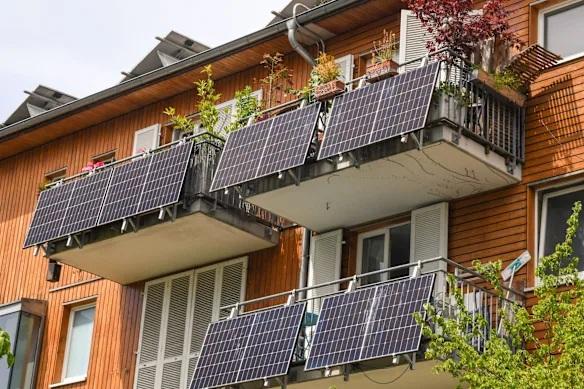
Power your everyday appliances with energy from the sun and help lower your electricity bills.
From 27th August 2026, plug-in solar panels became legal for use in England, Scotland and Wales, opening up a new, low-cost option for households to generate renewable electricity and protection from electricity price hikes.
Unlike traditional rooftop solar panels, plug-in solar panels are portable devices that connect directly to a standard household socket. They can help power everyday appliances, lower electricity bills, and offer an affordable alternative for renters or homeowners who are unable to install rooftop systems. As they’re portable, it also means you can take them with you if you move home.
The cost of a compliant system currently starts from around £450 and can typically generate up to 700 kWh of electricity per year, saving households an estimated £70-£100 annually on energy bills.
What do I need to know?
- Once plugged in, the electricity from the panels flows through a standard plug socket, directly into your home’s electrical system. If you use more electricity than the panels generate, electricity automatically comes from the grid as normal.
- If made to meet UK regulations and installed correctly, plug-in solar panels are safe to use
- Current systems available are better suited to be used in gardens than balconies, but they can be used as long as you have permission and an appropriate frame, fixing or anchors.
- You are legally required to register any plug-in solar panel devices before you use them in the UK. You can register using the UK Plug-in Solar Registration website. To do this, you will need to share your name, postcode, and the make and model of the device.
- Before buying, check the product specifications to make sure the system is compliant with UK regulations. You can find a list of compliant products available to buy now on ENA Connect Direct.
- If you’re unsure whether plug-in solar panels are suitable for your home, read the Energy Saving Trust’s plug-in solar panel checklist
- Once plugged in, the electricity from the panels flows through a standard plug socket, directly into your home’s electrical system. If you use more electricity than the panels generate, electricity automatically comes from the grid as normal.
As interest in small-scale renewable energy grows, plug-in solar could make solar power accessible to many more homes across the UK.