Nature Smart Cities

Nature Smart Cities was a collaborative project led by Southend-on-Sea City Council and funded by the Interreg 2 Seas Programme. Also included were partners from Belgium, the Netherlands, France and several UK towns and cities.
Together, this partnership built a business model (BM) to support smaller local authorities internationally. This tool would help them understand and promote the benefits of implementing further Green Infrastructure (GI) across different developments. As a result of using the BM tool, a fact sheet is produced to support evidence-based decision-making and help leaders make a strong case for GI investment.
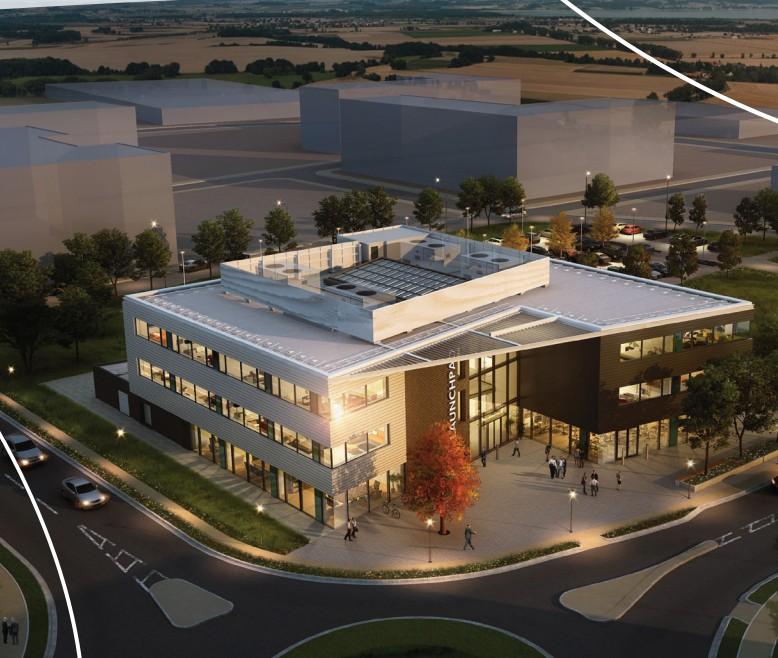
Funding from the Interreg 2 Seas programme supported both the creation of the BM tool and seven pilot projects across partner countries to test its effectiveness. One of these pilots took place in Southend, where additional GI was introduced to the Launchpad Building over at the Airport Business Park. This addition of GI now helps reduce flood risk and heat stress while enhancing biodiversity nearby. These are just a few examples of the measurable benefits of GI highlighted within the tool.
Nature Smart Cities Business Model
Following its launch, the Nature Smart Cities Business Model was made available upon request, along with case studies covering the seven pilot projects, including Southend Launchpad.
Unlike previous tools used by local authorities, this model allows users to compare different GI options and assess their impacts- enabling maximised climate resilience. It incorporates multiple environmental and social factors, including:
- Biodiversity
- Flood management
- Air quality
- Recreation
In total, more than 130 Local Authorities were involved in the development and success of the BM. All project partners have committed to applying the tool to future projects, further strengthening the business case for climate resilience through Green Infrastructure.
Watch the videos below to learn more about the Nature Smart Cities Project: