
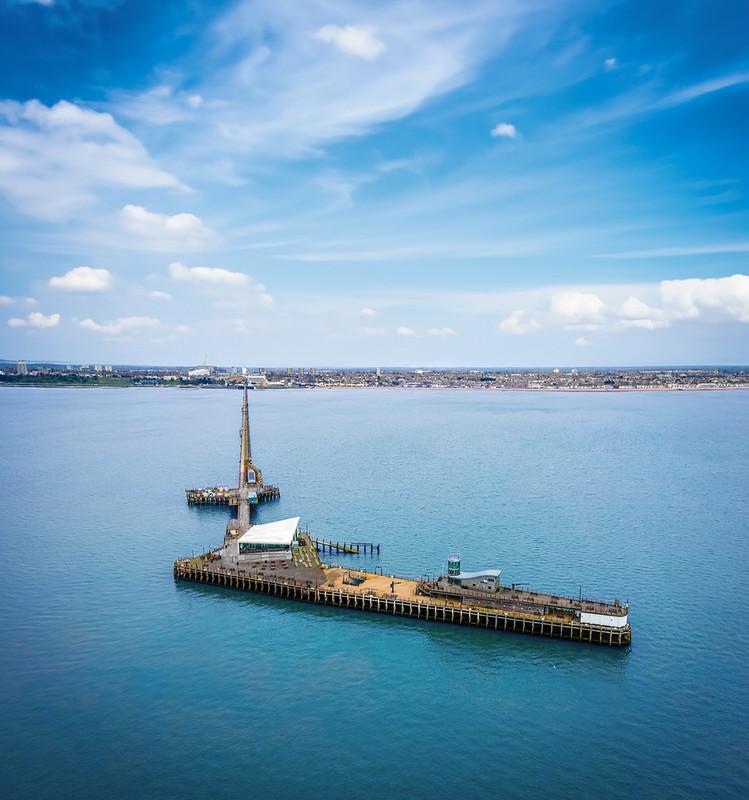
From flood protection to carbon storage, our coast plays a vital role in tackling climate change.
As COP31 takes place in Turkey, the role of oceans and seas in tackling climate change is gaining more recognition. Coastal communities such as Southend-on-Sea help to demonstrate how protecting marine habitats can support both climate adaptation and carbon reduction while delivering benefits for people, wildlife, and the local economy.
Southend-on-Sea's location on the Thames Estuary means it is closely connected to a diverse network of coastal habitats, including mudflats, salt marshes, and intertidal areas. These provide homes for birds, fish, and other marine species, while also acting as natural defences against coastal flooding and erosion. As climate change increases the risk of sea level rise and extreme weather events, conserving and restoring habitats will be critical for building long-term resilience.
A key topic expected to feature prominently in discussions around COP31 is blue carbon. Blue carbon refers to carbon captured and stored by coastal and marine habitats such as salt marshes, seagrass meadows, and tidal wetlands. These natural environments can lock away carbon for centuries while simultaneously supporting biodiversity and improving water quality. Along the Essex coastline, saltmarsh habitats represent an important blue carbon resource with great potential to contribute to local and national net zero ambitions.
They can also strengthen flood protection, support wildlife recovery, and create attractive spaces for recreation and tourism if protected. Such measures aid coastal management approaches and provide a cost-effective way to adapt to a changing climate.
As COP31 continues, Southend-on-Sea has an opportunity to champion the value of healthy oceans and thriving coastal ecosystems. By protecting marine environments and unlocking the potential of blue carbon, the city can help create a more resilient coastline while contributing to global efforts to address climate change. The future of climate resilience depends not only on reducing emissions but also on harnessing the power of nature to protect communities and ecosystems alike.