
Exploring how protecting nature can help Southend build a greener, healthier and more climate-resilient future.
As COP31 brings renewed attention to the connections between climate change, biodiversity loss and land degradation, there is growing recognition that these challenges cannot be tackled in isolation. This joined-up approach, known as Rio Synergies, brings together the aims of three major international environmental agreements to encourage solutions that benefit climate, nature and people together.
This is particularly relevant for Southend-on-Sea, where the health of our coastline, green spaces and communities is closely connected.
Southend's natural environment plays a vital role in tackling multiple challenges at once. The city's coastal habitats, parks, woodlands and green corridors support wildlife, help manage flood risk, improve air quality and provide valuable spaces for recreation and wellbeing. As climate impacts such as rising temperatures, heavier rainfall and sea level rise increase, protecting and enhancing these natural assets will become increasingly important.
Nature-based solutions offer a practical way forward. Restoring coastal habitats along the Thames Estuary, increasing tree cover, creating pollinator-friendly spaces and improving habitat connectivity can strengthen climate resilience while supporting biodiversity recovery. These measures also help create healthier and more attractive places for residents and visitors.
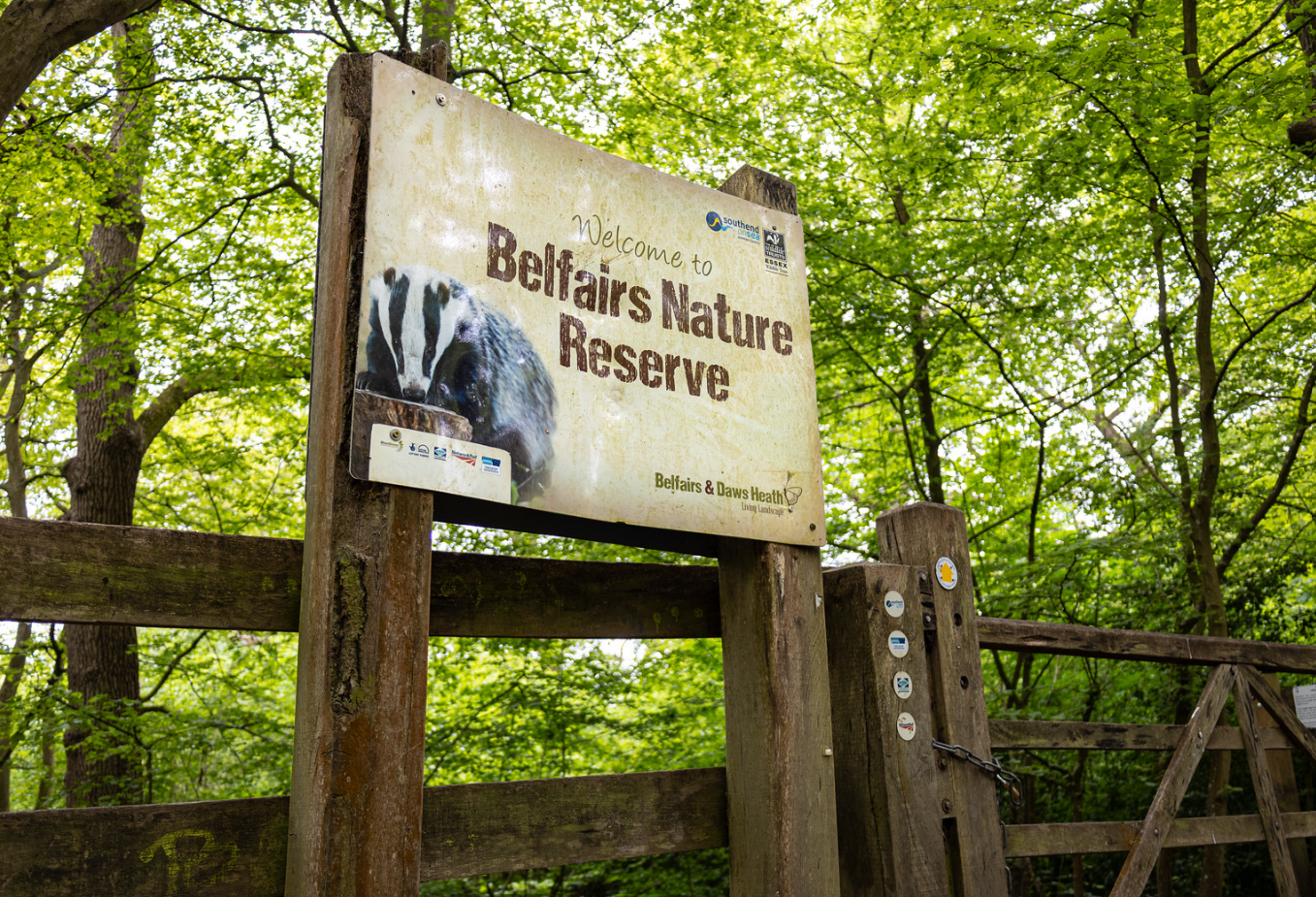
Southend is already seeing how nature-based solutions can make a difference. At Belfairs Woods, natural flood management measures, including leaky dams, are being introduced to slow the flow of water and help reduce flood risk downstream. Meanwhile, plans for a greener Marine Parade and improvements to Southend High Street include rain gardens and additional planting to capture rainwater, support wildlife and make public spaces more resilient to changing weather. Along the Thames Estuary, habitats such as the salt marshes and mudflats around Two Tree Island provide important wildlife habitats and highlight the value of protecting our coastal environment.
These examples demonstrate how nature-based solutions can deliver several benefits at once. Restoring coastal habitats, increasing tree cover, creating pollinator-friendly spaces, improving habitat connectivity and introducing sustainable drainage can all strengthen climate resilience while supporting biodiversity recovery. They can also help create healthier, greener and more attractive places for residents and visitors.
For Southend, Rio Synergies is about recognising that environmental challenges do not exist in isolation. Actions that protect and restore nature can also reduce climate risks, improve public health and strengthen local resilience. By embedding nature into planning, investment and decision-making, Southend can contribute to the joined-up approach being championed at COP31.
Working with nature rather than against it will be key to creating a greener, more resilient and sustainable future for Southend and its communities.