
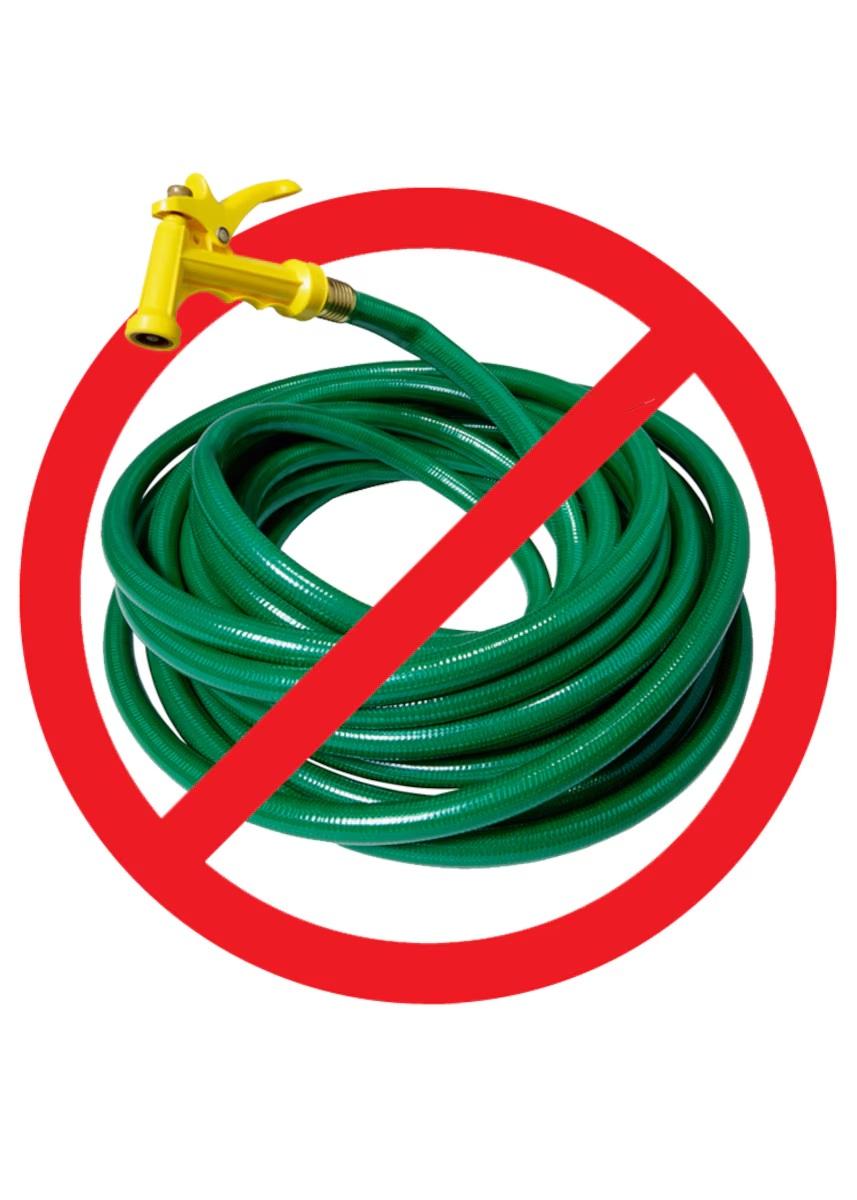
This month, several water companies have introduced Temporary Use Bans, more commonly known as hosepipe bans, across parts of the UK following prolonged hot, dry weather and low levels of rainfall.
By restricting the use of mains-connected hosepipes for non-essential activities, these bans aim to conserve water and protect rivers and reservoirs during periods of drought or high demand. Customers who breach these restrictions could face fines of up to £1,000.
Why are hosepipe bans being introduced?
Months of exceptionally dry weather have led to falling water levels in rivers and reservoirs. Reducing non-essential water use helps safeguard essential supplies while allowing natural water sources time to recover.
Hosepipe bans can remain in place for several weeks or months, depending on rainfall and water levels. While these restrictions are relatively rare, they could become more common as climate change brings hotter summers, more frequent heatwaves and longer periods of dry weather. Cambridge Water has introduced its first hosepipe ban in 30 years, and Anglian Water has not needed to impose one since 2012.
What CAN and CAN’T you do during a hosepipe ban?
During a hosepipe ban, mains-connected hosepipes, sprinklers and pressure washers cannot be used for non-essential activities, including:
- Watering gardens or plants
- Washing vehicles
- Cleaning patios, driveways and windows
- Filling paddling pools, swimming pools, hot tubs and ornamental ponds
You can still use indoor taps to fill a watering can or a bucket for these tasks. You can also use water butts or recycled household water, for example water left over from washing up or taking a bath.
Certain exemptions also apply to some businesses, including water use for health and safety reasons, animal welfare, and watering food crops and newly planted trees. Please check with your water supplier for their list of exemptions.
Is Southend-on-Sea affected?
Southend-on-Sea is not currently subject to a hosepipe ban, as the city's water is supplied by Essex and Suffolk Water. However, the company has said it is closely monitoring water resources and may introduce restrictions if dry conditions continue.
As a coastal town in the south-east of England, Southend is in a region that typically receives less rainfall than much of the UK, while also experiencing high water demand due to being more densely populated than less urbanised areas. These factors mean the south and south-east are often among the first regions to experience water shortages.
Which parts of Essex are affected?
Water suppliers Anglian Water and Affinity Water have both introduced restrictions this month, meaning a hosepipe ban is in place for a large portion of Essex. Currently there are 16 towns and cities in Essex affected, including Colchester, Epping, Harlow, Tiptree amongst others.
To find out if restrictions apply where you live, check with your water supplier. If you aren’t sure who the water supplier is in your area, you can check online- it’s quick and easy, all you need is your postcode.
How you can help save water
Even if there isn't a hosepipe ban where you live, using water wisely can help protect local supplies and the environment. Simple actions such as using a watering can instead of a hose, collecting rainwater, fixing leaks and reusing household water where appropriate can all make a difference.
To learn more about changes you can make at home, visit our page on reducing water usage for further tips and advice.