
Reducing Water Usage
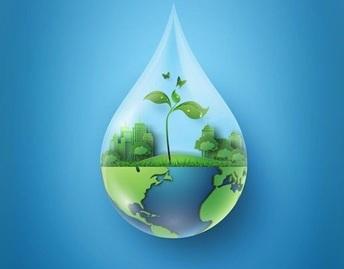
Reducing water usage is crucial for protecting our environment, conserving vital resources, and ensuring a sustainable future.
Freshwater is limited, and overusing it can strain our rivers, lakes, reservoirs and so on. This, in turn, threatens our local wildlife and biodiversity. Using less water also reduces the energy needed to pump, heat, and treat it. This lowers greenhouse gas emissions.
By adopting simple water-saving habits, we can help safeguard clean water supplies and support communities and wildlife that depend on this essential resource.
Here are some practical tips for ways you can save water:
- Collect rainwater- use a water butt to collect rainwater. This can be used for watering plants and cleaning
- Use a watering can instead of a hose. Using the rainwater you collected in your water butt, this can be great for your garden and is much more efficient than a hose
- Only run dishwashers and washing machines when full. This maximises efficiency and reduces waste- both water and energy
- Reuse water where possible- use leftover water from washing vegetables to water plants
- Choose drought-resistant plants for your garden. Native and hardy plants need less watering
- Claim your free water-saving kit from Essex and Suffolk Water
- Swap one bath for a shower each week- a shower typically uses around half the water of a full bath
- Use a washing-up bowl when doing the dishes- filling a bowl uses far less water than leaving the tap running
- Turn off taps while brushing your teeth
- Fixing Leaks- repair leaky taps, showerheads, and toilets as soon as possible to prevent water from being wasted
Essex and Suffolk Water have some great tips for saving water at home, as well as information on how much water is used in each area of a home.
They also have an interactive tool that allows you to calculate your water usage- try it out!