Resources and Recycling
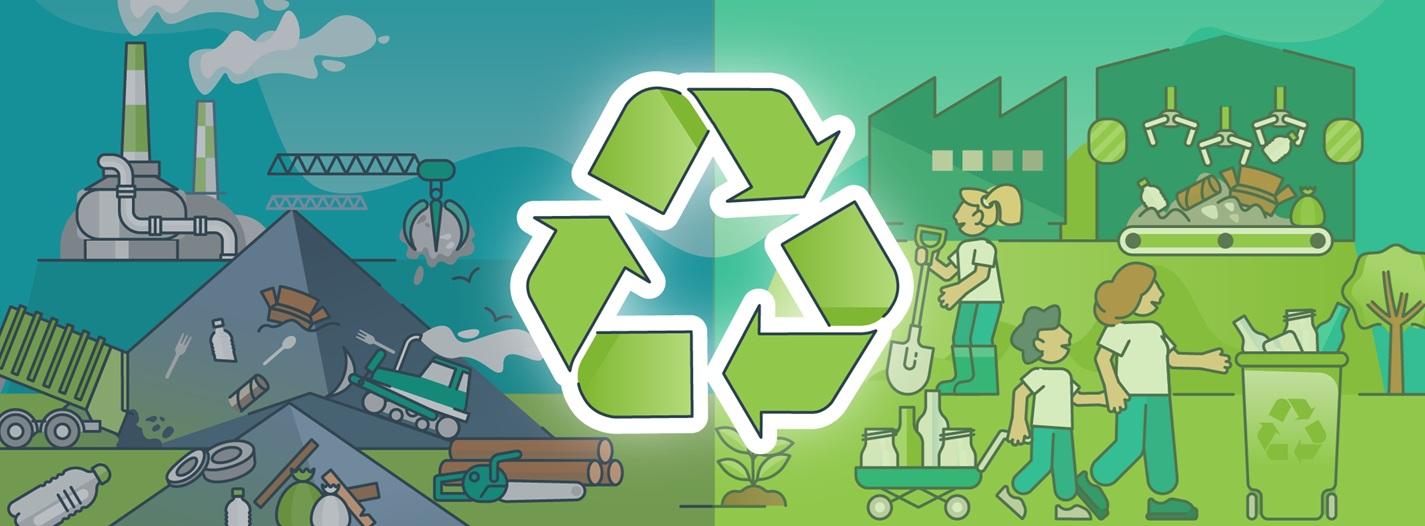
We must do what we can to reduce the amount of waste we produce. It is just as important that we manage the waste we do create responsibly. This is essential for protecting our environment, conserving natural resources, and promoting public health.
Proper waste management helps prevent pollution and reduces greenhouse gas emissions from landfills. Properly recycling and reusing our waste materials minimises the need for new raw materials.
A collective effort to adopt better waste habits and support sustainable practices not only helps lower disposal costs but also creates a cleaner, safer environment for all of Southend.
Here are some practical tips for ways to manage and reduce waste:
- Dispose of litter responsibly by using the hundreds of litter bins available across Southend. If you can’t find a bin nearby, take your rubbish home with you
- Never flush plastic items or sanitary products down the toilet- this pollutes our water
- Reduce single-use plastics- choose reusable alternatives instead of disposable or non-recyclable plastics. Use a refillable water bottle instead of buying plastic bottles. Carry a bag for life around with you to prevent buying one in shops, and only use it once
- Join a local litter-picking group or scheme- support action groups to reduce littering across Southend. Help keep our city clean, including our streets, parks and beaches. This supports our local wildlife and prevents waste from making it’s way into our waters.
- Recycle right- check packaging for recycling information and make sure things are going in the right bins
- Choose products made from recyclable materials to minimise what goes in your black sacks.
- Buy second hand- by choosing pre-loved items, you can reduce landfill waste and manufacturing emissions
- Repurpose and upcycle- give old items a new life, instead of throwing them away, to prevent ‘throwaway culture’
- Repair before replacing by taking the time to fix things, rather than buying new. It might be easier than you think
- Compost your food and garden waste- instead of sending organic waste to landfill, compost it to create nutrient-rich soil for plants.
To compost your waste, you can do any of the following:
- Have your food waste collected by Southend Council using your blue food waste caddy
- Have your garden waste collected by Southend Council by registering for either the garden waste wheelie bin service or their garden waste compostable sack service. This is an annual subscription, and waste is collected weekly
- Take your garden waste to one of Southend’s two Household Waste Recycling Centres (the tip)
- Compost your food and garden waste at home using a compost bin. You can use this compost in plants and across your garden.
Keep up to date with all things Resources and Recycling in Southend-
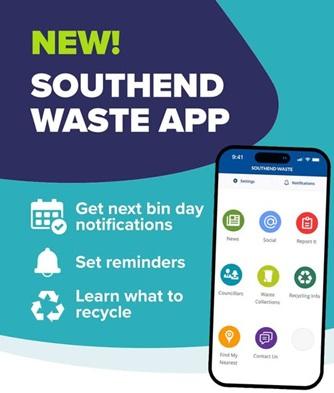
- Download the new Waste app designed for Southend residents. On the app, you can check when your next collections will be and for what bins, set reminders for your next collections, report any missed collections or fly tipping and more.
- Learn more about SUEZ, the new contractor commissioned to manage Southend’s waste. SUEZ took over the contract from Veolia in April 2025, and are now responsible for the city's recycling and waste collections, along with street cleansing services and the operation of our two recycling centres (tips).
- For more information on how resources and recycling are managed in Southend, visit My Southend. Here you can learn more about changes to our waste services, including the new dustbins, an FAQ section for frequently asked questions, as well as a ‘Questions of the week’.